Friction-disc drive with multiple speeds gives a controllable crawl on the climb, and the 24-inch width keeps weight manageable when you turn on the slope.
~$1,160 typical price
Buy on AmazonUse-case guide ยท 2026
A slope turns a snow blower from a machine you steer into one you fight. Single-stage units that rely on the auger to pull themselves lose traction uphill and run away downhill; a two-stage with engine-driven wheels, a low gear, and a controllable speed is the minimum. Tracks help on the steepest drives; technique and cleats matter on all of them.
Recommended class
Two-stage, self-propelled, with a slow first gear โ tracks for the steepest
Technique
Work across the slope or straight up; never stand downhill of a moving machine
Not sure which class fits? Run your driveway through the snow blower sizer โ

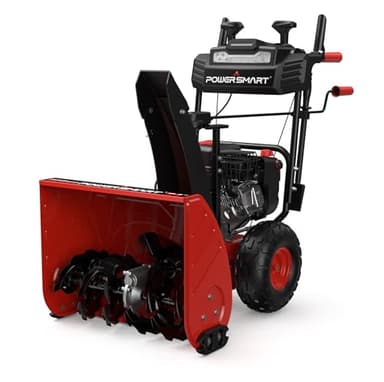
Friction-disc drive with multiple speeds gives a controllable crawl on the climb, and the 24-inch width keeps weight manageable when you turn on the slope.
~$1,160 typical price
Buy on Amazon
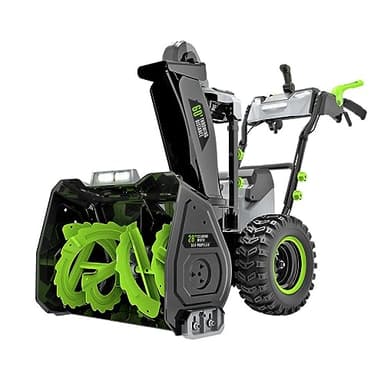
13-inch snow tires and a geared drive at the lowest price โ the traction matters more than the extra width on a hill.
~$699 typical price
Buy on Amazon
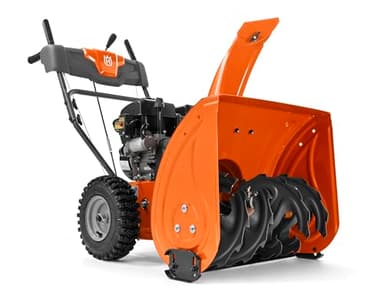
Variable-speed self-propulsion with reverse makes slope control easy; steel augers handle whatever surface the hill is.
~$1,649 typical price
Buy on AmazonFor moderate slopes, a two-stage with good tires and a low gear is enough. For the steepest driveways โ where you worry about the machine sliding โ tracks give a real traction advantage and are worth seeking out.
On a gentle slope, with care. Single-stage machines are pulled by the auger and have no drive wheels, so they lose traction uphill and can run away downhill. A self-propelled two-stage is the safe choice.